Key Takeaways
- Choose a Generac generator size based on the appliances and circuits you want powered, not simply your home's square footage or number of bedrooms.
- Account for both running watts and higher starting watts for motor-driven equipment such as air conditioners, refrigerators, sump pumps, and well pumps.
- Decide between essential-circuit backup, partial-home coverage, or whole-home backup; whole-home systems still require proper load planning and may need load management to avoid overload.
- Heating and cooling equipment can significantly affect sizing, especially when multiple HVAC systems or high-startup compressors must operate during an outage.
- A professional assessment should also confirm transfer-switch needs, fuel supply, generator placement, panel capacity, and any necessary electrical upgrades before installation.
Choosing the right generator size is essential when planning reliable backup power for your home. A generator that is too small may struggle to operate essential appliances, while an oversized unit can increase equipment and installation costs unnecessarily.
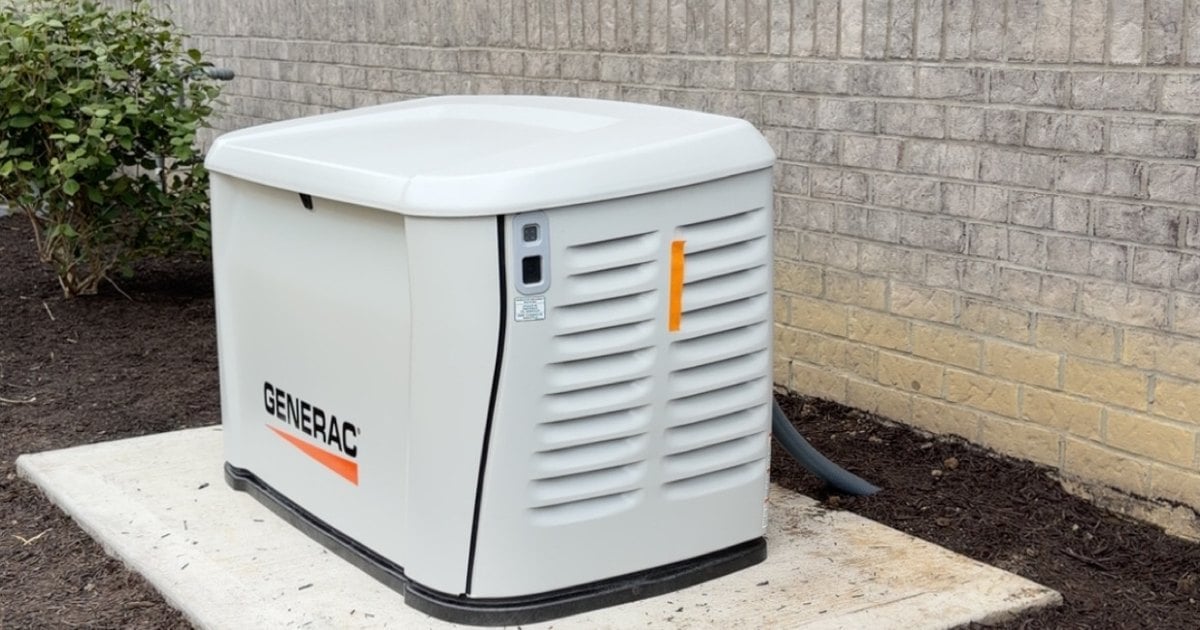
The right generator size depends on your home's electrical demand, the appliances you want to operate, and whether you need to power selected circuits or your entire property. Dylco Electric provides professional Generac generator installation to help homeowners evaluate their backup power requirements and select the right standby generator.
Generac offers standby generators in different capacities to support a range of household requirements. However, selecting a model involves more than comparing square footage or counting bedrooms. Large appliances, heating and cooling equipment, starting power requirements, and electrical system compatibility all influence the final decision.
Understanding these factors can help you prepare for a professional assessment and choose a generator that meets your household's needs.
1. Understand How Generator Size Is Measured
Generator capacity is generally measured in kilowatts (kW). This measurement indicates how much electrical power a generator can supply at a given time.
For example, a generator rated at 10 kW can provide up to 10 kilowatts of electrical output under its specified operating conditions. A higher-capacity generator can support a greater electrical load, although the actual appliances it can operate depend on their individual power requirements.
Two important electrical terms help explain generator sizing:
- Running watts: The continuous power an appliance needs to operate after it has started.
- Starting watts: The additional power some appliances require when their motors first turn on.
Equipment such as air conditioners, refrigerators, sump pumps, and well pumps may require significantly more power during startup than during normal operation.
This difference matters because a generator must be able to handle both the continuous electrical load and the temporary startup demands of connected equipment.
2. Identify Which Appliances You Want to Power
Before choosing a generator, decide whether you want to operate only essential appliances or maintain power throughout the entire home.
Your requirements will influence the generator capacity and transfer equipment needed.
Essential Appliances Only
Some homeowners want backup electricity for basic household needs rather than every electrical circuit. This approach may include:
- Refrigerator and freezer
- Selected lighting circuits
- Internet router and communication equipment
- Heating system controls
- Sump pump
- Essential kitchen appliances
- A few electrical outlets
A smaller standby generator may be suitable for this type of setup, depending on the combined load and startup requirements.
Partial-Home Backup
Partial-home backup provides electricity to a broader selection of circuits. Homeowners may choose to operate several additional appliances, selected rooms, and certain heating or cooling equipment.
This arrangement requires careful load planning because multiple appliances may operate simultaneously. An installer may recommend load management equipment to prevent the generator from becoming overloaded.
Whole-Home Backup
A whole-home system is designed to support a larger portion of the property's electrical demand. Depending on generator capacity and the home's electrical load, it may operate major appliances, lighting, heating and cooling equipment, and other household systems.
However, whole-home backup does not automatically mean every appliance can run simultaneously without restrictions. The system must be sized according to the actual electrical demand.
3. Estimate Your Home's Electrical Load
Calculating your home's electrical load is one of the most important steps in selecting a generator. Start by making a list of appliances and electrical systems you want to operate during an outage. Check their labels or manufacturer documentation for wattage, voltage, and starting requirements.
A basic load calculation considers:
- The running wattage of each appliance.
- The starting wattage of equipment with electric motors.
- Which appliances may operate simultaneously.
- The total demand placed on the generator.
- Whether load management can reduce peak demand.
For example, a refrigerator may require relatively little power once running, but its compressor needs additional power when starting. An air conditioner may also have a substantial startup requirement.
4. Why Professional Generator Sizing and Installation Matter
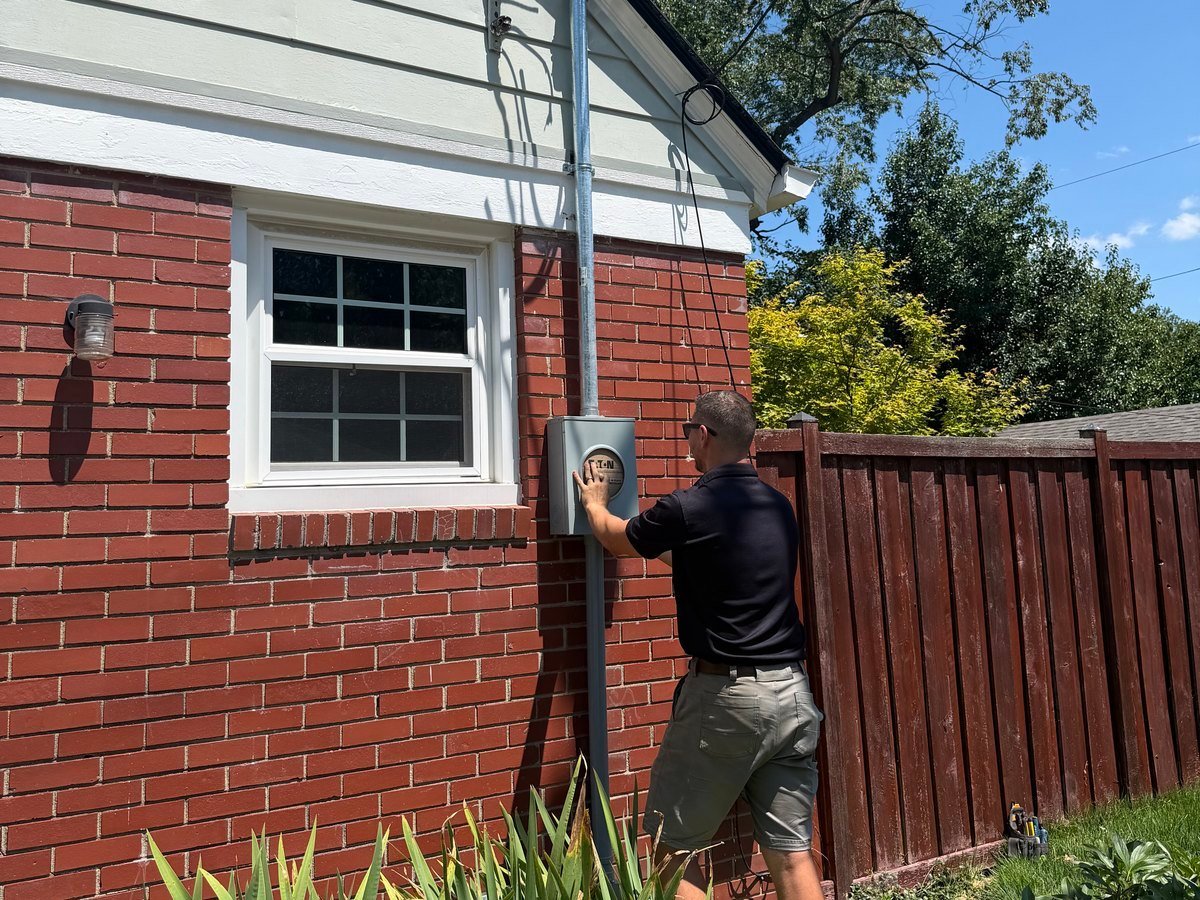
Choosing the right generator requires more than estimating how many appliances your home contains. Electrical demand, motor startup requirements, fuel supply, transfer equipment, and local installation codes must all be considered.
At Dylco Electric, our team considers your home's electrical requirements and backup power goals when helping determine the right generator installation approach.
Professional Generac generator installation helps ensure that the selected system is appropriate for the property and connected correctly.
An experienced installer can:
- Perform a residential electrical load calculation.
- Identify essential and high-demand circuits.
- Recommend an appropriate generator capacity.
- Evaluate transfer switch requirements.
- Check fuel supply and installation location.
- Identify electrical issues that need attention.
- Explain maintenance and operating requirements.
If your home needs electrical improvements before generator installation, a professional electrical panel upgrade can help determine whether modifications are necessary.
5. Consider Your Heating and Cooling Equipment
Heating and cooling systems can have a major influence on generator sizing.
Central air conditioning units, heat pumps, electric furnaces, and other HVAC equipment may require substantial electrical power.
Air conditioners and heat pumps also contain compressors that can draw additional current when starting. If several large systems are connected, their combined startup demand may exceed what a smaller generator can handle.
Before selecting a generator, determine:
- The number of HVAC units in the home.
- The electrical requirements of each unit.
- Whether the systems use electric or gas heating.
- The startup requirements of compressors and motors.
- Whether all heating and cooling systems must operate during an outage.
Some systems can be managed so they do not start simultaneously. This may reduce the required generator capacity, depending on the equipment and control system. Homeowners in Westfield planning other electrical improvements may also want to coordinate projects such as EV charger installation with a qualified electrician.
6. Understand Automatic Transfer Switches and Load Management
A standby generator is only one part of a complete backup power system. The transfer switch and electrical connections are equally important.
An automatic transfer switch monitors the utility supply. When it detects an outage, it transfers the home's connected electrical loads to the generator after the generator starts and reaches the required operating conditions.
When utility power returns, the switch transfers the connected loads back to the normal supply.
7. Fuel Type and Generator Placement Matter
Generac standby generators commonly operate using natural gas or liquid propane, depending on the model and installation configuration.
Fuel availability can influence the generator you choose.
Natural Gas
Homes with an existing natural gas connection may be able to use it as a fuel source for a compatible standby generator.
However, the gas supply must provide sufficient flow and pressure for the generator's requirements. A qualified professional should verify the gas piping and supply capacity before installation.
Liquid Propane
Liquid propane can be an option for homes without natural gas service. The system requires an appropriately sized storage tank and suitable fuel connections.
Tank capacity should be selected according to generator consumption and the expected duration of outages.
8. Does Your Electrical Panel Affect Generator Size?
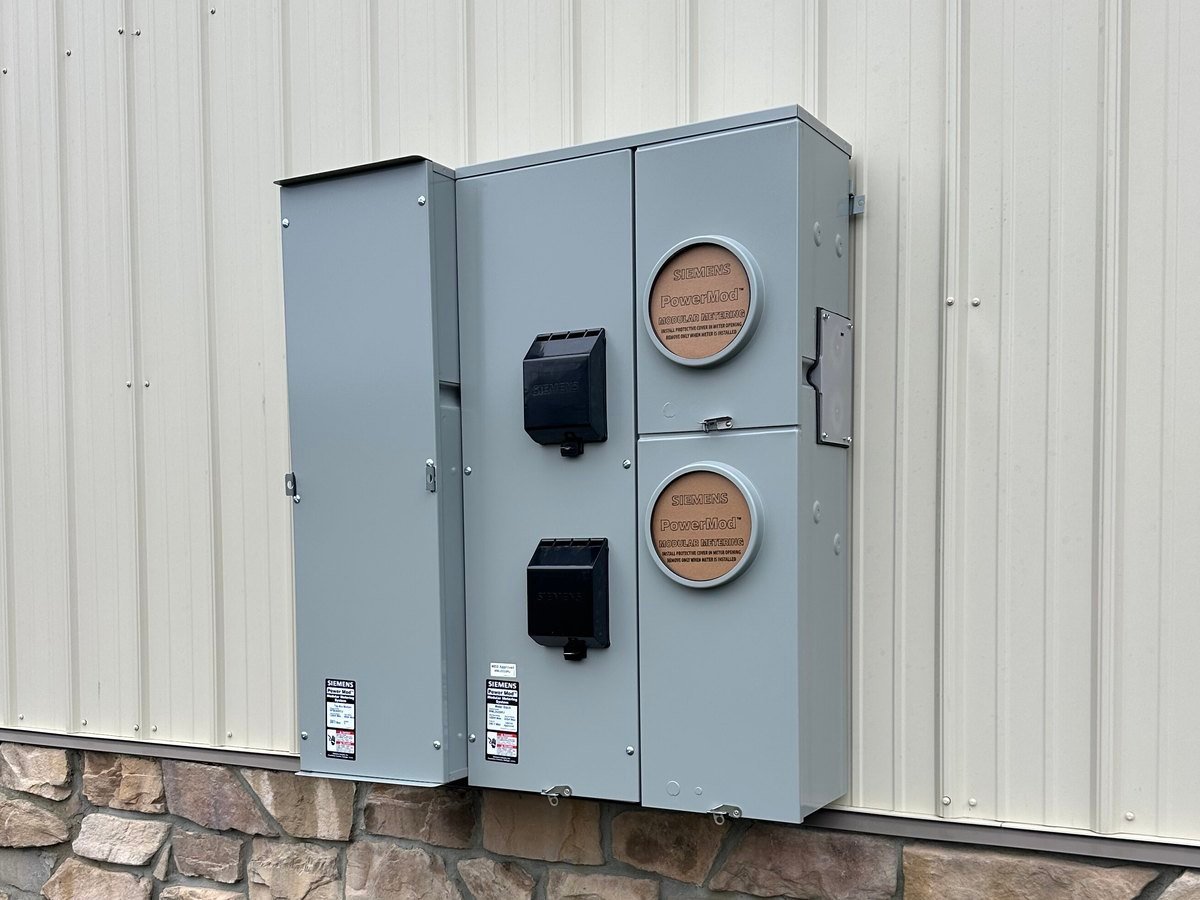
Yes. Your home's electrical panel plays an important role in determining how a standby generator can be connected and which circuits it can support.
An older or unsuitable panel may require changes before installation. The electrician should evaluate panel capacity, available breaker spaces, wiring condition, grounding, and compatibility with the transfer switch.
Other electrical improvements may also be worth discussing during the assessment. For example, a whole-home surge protector can help protect connected equipment from certain voltage surges, although it does not replace proper generator sizing or electrical safety measures. Dylco Electric can also help homeowners evaluate electrical panel capacity and other installation requirements before choosing a standby generator.
Your electrical panel plays a key role in generator sizing and safe installation. Learn more about whole-home generator systems and find out whether you need a panel upgrade before installing a standby generator.
Conclusion
The right Generac generator size depends on how much electricity your home needs during an outage. Smaller systems may be suitable for essential appliances, while larger homes or properties with substantial HVAC and electrical loads may require higher-capacity equipment.
Before choosing a generator, identify the appliances you want to operate, review their running and starting requirements, and have your electrical system assessed. Transfer switches, load management, fuel supply, and panel compatibility also influence the final recommendation.
Frequently Asked Questions
What size Generac generator does my home need?
The right size depends on your home's electrical demand, the appliances you want to operate, and whether you need selected circuits or whole-home backup. A professional load calculation is the best way to determine the appropriate capacity.
How is generator size measured?
Generator capacity is measured in kilowatts (kW). A 10 kW generator can supply up to 10 kilowatts of electrical output under specified conditions, while higher-capacity units can support greater loads.
What are running watts and starting watts?
Running watts are the continuous power an appliance needs to operate, while starting watts are the extra power required when motors first turn on. Equipment such as air conditioners, refrigerators, and pumps may need significantly more power during startup.
What appliances can a small generator power?
A smaller generator may support essential appliances such as a refrigerator, freezer, selected lighting, internet equipment, heating controls, a sump pump, and a few outlets. The exact load depends on the combined wattage and startup requirements.
What is partial-home backup?
Partial-home backup provides electricity to a broader selection of circuits, such as several rooms, selected appliances, and certain heating or cooling equipment. It requires careful load planning to prevent the generator from becoming overloaded.
What is whole-home backup?
Whole-home backup is designed to support a larger portion of the property's electrical demand, including major appliances, lighting, and HVAC equipment. However, it does not automatically mean every appliance can run simultaneously without restrictions.
How do I calculate my home's electrical load?
Start by listing the appliances and systems you want to operate, then check their running and starting wattage. Consider which devices may run simultaneously and whether load management can reduce peak demand.
Why does HVAC equipment affect generator sizing?
Heating and cooling systems can have a major influence on generator sizing. Central air conditioners, heat pumps, and electric furnaces may require substantial power, and compressors can draw extra current during startup.
What is an automatic transfer switch?
An automatic transfer switch monitors the utility supply and transfers connected loads to the generator during an outage. When utility power returns, it switches the home back to the normal supply.
What fuel types do Generac generators use?
Generac standby generators commonly operate using natural gas or liquid propane, depending on the model and installation configuration. Fuel availability and supply capacity can influence the generator you choose.
Does my electrical panel affect generator installation?
Yes. Your home's electrical panel plays an important role in determining how a standby generator can be connected and which circuits it can support. An older or unsuitable panel may require changes before installation.
Do I need a panel upgrade for a generator?
Some homes may need a panel upgrade to support a planned backup system safely. An electrician should evaluate panel capacity, available breaker spaces, wiring condition, grounding, and transfer-switch compatibility.
How much does a Generac generator cost installed in Indiana?
A professionally installed Generac home standby generator typically costs $8,000 to $16,000 in Central Indiana. This is a rough estimate that varies depending on the home, generator size, fuel type, transfer switch, and installation complexity. Smaller systems may cost less.