
EV Charger & Generator Installation

How Does a Whole-Home Generator Work During a Power Outage?

A power outage can happen with little warning, leaving your home without lighting, heating or cooling, refrigeration, internet, and other essential electrical services. Here's how a whole-home generator takes over automatically — and what to know before you install one.

Key Takeaways

  • A whole-home generator detects a utility outage, starts automatically, and supplies electricity through the home's electrical system.
  • An automatic transfer switch safely moves the home's electrical load from utility power to generator power and prevents electricity from flowing back into utility lines.
  • Generator runtime depends on fuel supply, generator size, electrical load, weather, and whether the system uses natural gas or propane.
  • An electrical assessment can determine whether the home needs a panel upgrade, smart load management, compatible wiring, or other installation improvements.
  • Proper sizing, professional installation, surge protection, sufficient fuel, testing, and regular maintenance help ensure reliable backup power during outages.

A power outage can happen with little warning, leaving your home without lighting, heating or cooling, refrigeration, internet, and other essential electrical services. While a portable generator can provide temporary electricity for selected appliances, a whole-home generator is designed to provide a more comprehensive and automatic solution.

Whole-home generators are permanently installed outside the house and connected to the home's electrical system. When the utility power goes out, the generator can detect the interruption, start automatically, and transfer electrical loads to generator power. When utility service returns, the system switches back and shuts down according to its programmed operation.
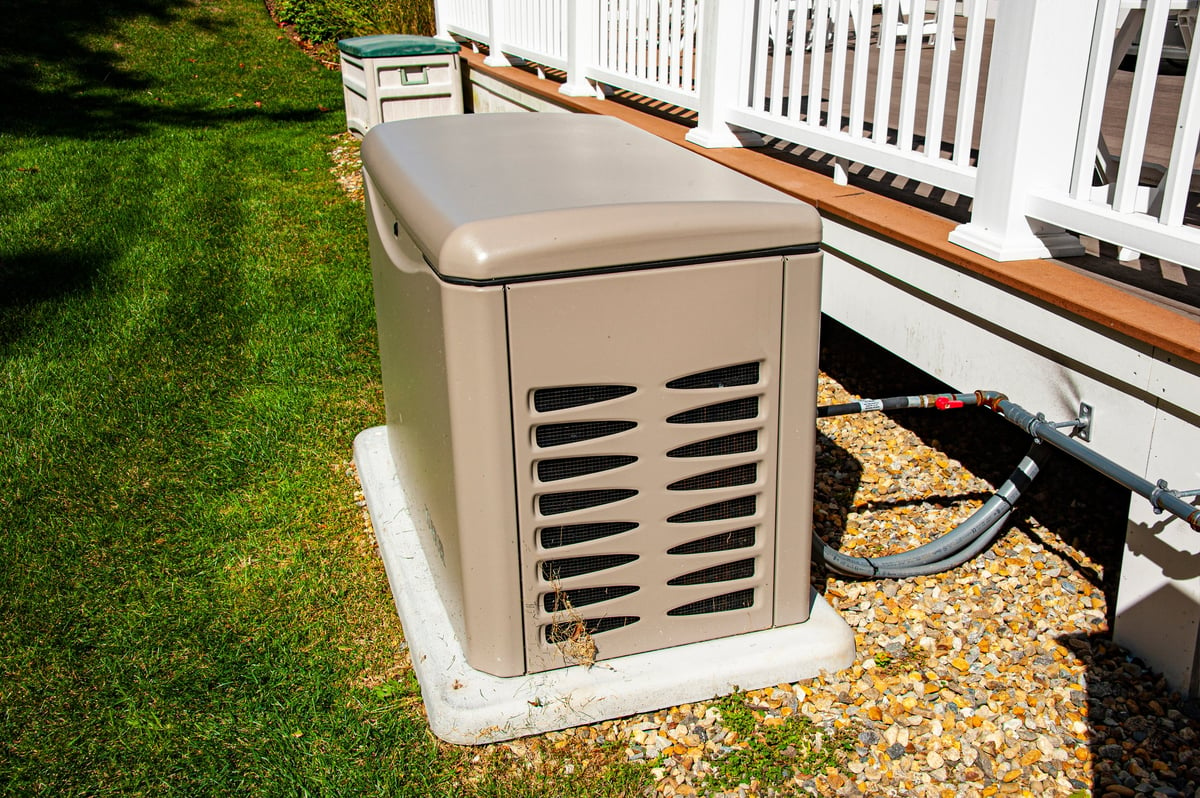
Residential whole-home standby generator installed on a concrete pad outside a home

Understanding how this process works can help homeowners decide whether a standby generator is appropriate for their property and what should be considered before installation.

What Is a Whole-Home Generator?

A whole-home generator is a standby power system permanently connected to a home's electrical infrastructure. Unlike a portable generator that typically needs to be manually positioned, fueled, connected, and started, a standby generator is designed to remain ready for use.

The generator is normally installed outdoors on a suitable foundation. It connects to the home's electrical system through a transfer switch and is typically powered by a fuel source such as natural gas or propane.

When utility electricity is available, the generator remains in standby mode. It periodically performs maintenance checks or test cycles, depending on its settings.

When an outage occurs, the system's automatic controls detect the loss of utility power and initiate the backup process.

Planning standby power? Have your electrical system evaluated before installation. A professional assessment can identify panel limitations, load requirements, transfer-switch needs, and other issues before work begins.

How Does a Whole-Home Generator Work During an Outage?

The process can be understood in several stages.

1

The Generator Detects the Outage

The first step occurs when the generator's control system detects that normal utility power has been interrupted.

The system monitors the incoming electrical supply. If the utility power falls outside acceptable operating conditions or disappears entirely, the controller recognizes that an outage has occurred.

This automatic detection is one of the biggest differences between a standby generator and a portable generator.

Homeowners generally do not need to be present to start the system.

2

The Generator Starts Automatically

After detecting an outage, the generator starts its engine.

The generator uses its fuel source to operate an engine connected to an alternator. The engine produces mechanical energy, while the alternator converts that energy into electrical energy.

The system is designed to start quickly, although there can be a short delay between the utility failure and restoration of generator power.

That delay helps prevent the generator from starting unnecessarily because of very brief electrical interruptions.

3

The Transfer Switch Changes the Power Source

The automatic transfer switch is a critical component of the system.

It separates the home from the utility supply and transfers the home's electrical loads to the generator once the generator is producing stable power.

This process helps prevent generator electricity from flowing backward into utility lines, which is an important safety consideration.

The transfer switch also allows the system to return to normal utility power when the outage ends.

Learn More About Standby Generator Systems

Want to understand how standby generators work, what components are involved, and how they help keep your home powered during an outage? Explore more generator and electrical service information from Dylco Electric.

How Long Can a Whole-Home Generator Run?

A standby generator can potentially operate for an extended period during a prolonged outage, provided that its fuel supply remains available and the system is properly maintained.

Natural-gas-powered systems can have a continuous fuel supply when the home's gas service remains operational. Propane systems depend on the size of the storage tank and how quickly the generator consumes fuel.

Actual runtime varies according to generator size, electrical load, fuel type, weather, and other conditions.

For example, a generator operating under a heavy electrical load will generally consume more fuel than one powering only essential circuits.

Does Your Electrical Panel Need an Upgrade?

Not every home needs an electrical panel upgrade before installing a generator. However, older or undersized electrical systems may require improvements.

A professional can evaluate the existing panel's capacity, condition, available breaker space, wiring, and overall suitability.

If the panel cannot safely support the planned generator installation or other electrical demands, an upgrade may be recommended.

An electrical panel upgrade service can help modernize an outdated electrical distribution system when necessary.

This evaluation is particularly important in older homes where electrical infrastructure may not have been designed for today's appliances and technology.

Can a Smart Electrical Panel Work With a Generator?

Modern electrical technology can make backup power management more sophisticated.

A smart electrical panel for home can provide homeowners with better visibility into electricity consumption and, depending on the system, help manage electrical loads.

This can be useful when generator capacity is limited. Instead of attempting to power every high-demand appliance simultaneously, intelligent load management can prioritize important circuits.

Smart electrical technology may also help homeowners understand which appliances are consuming the most electricity.

However, compatibility between a smart panel and generator system should be confirmed before installation.

Whole-Home Surge Protection and Generator Systems

Power outages can sometimes involve voltage fluctuations when electricity is interrupted or restored.

Surge protection can provide another layer of protection for sensitive electronics and appliances.

A whole home surge protector installation may be worth considering for homeowners who want to protect electrical equipment from certain transient voltage events.

Surge protection does not replace proper generator installation, grounding, or electrical maintenance. Instead, it can complement a broader electrical protection strategy.

Is a Whole-Home Generator Worth It?

The value of a whole-home generator depends on the homeowner's circumstances.

For some households, uninterrupted access to heating, cooling, refrigeration, communications, and other essential equipment can make standby power particularly valuable.

It may be especially appealing to homeowners who experience frequent outages or rely on electrical equipment that needs continuous operation.

A generator can also provide backup power for home systems without requiring homeowners to manually set up equipment during an emergency.

However, the initial installation cost, fuel requirements, maintenance, noise, space requirements, and expected outage frequency should all be considered.

Whole-Home Generator Installation: What to Expect

Professional installation typically begins with an assessment of the property and electrical system.

The installer may evaluate the home's electrical panel, determine generator capacity, identify suitable placement, and review fuel requirements.

The generator is then installed in an appropriate outdoor location. The transfer switch is connected to the electrical system, and the fuel supply is properly configured.

After installation, the system should be tested to verify that it starts correctly, transfers power appropriately, and returns to utility operation when normal service is restored.

Want to learn more about whole-home generators? Explore additional information on generator installation, electrical systems, backup power, and what homeowners should know when planning for reliable power during an outage on the Dylco Electric blog.

Final Thoughts

A whole-home generator is essentially an automated backup electricity system. When utility power fails, the generator detects the outage, starts its engine, transfers the home's electrical loads through an automatic transfer switch, and supplies electricity until utility service returns.

Once normal power is restored, the system transfers the home back to utility electricity and shuts down after a cooling period.

The convenience of automatic operation is one of the primary benefits of a standby generator. However, successful operation depends on proper sizing, professional installation, adequate fuel, compatible electrical equipment, and routine maintenance.

Frequently Asked Questions

What is a whole-home generator?

A whole-home generator is a permanently installed standby power system that supplies electricity during a utility outage. It connects to your home's electrical system through an automatic transfer switch and is typically powered by natural gas or propane, providing backup power without manual setup.

How does a whole-home generator know the power is out?

The generator continuously monitors the incoming utility power. When it detects an interruption or voltage outside normal operating levels, its controller recognizes the outage and begins the backup-power sequence automatically, usually without the homeowner needing to take any action.

How quickly does a whole-home generator start during an outage?

Most standby generators start automatically within seconds of detecting an outage. There is usually a short delay before power is restored because the generator needs time to start, stabilize its output, and safely transfer the home's electrical load from utility power.

What does an automatic transfer switch do?

An automatic transfer switch safely changes your home's power source from the utility supply to the generator during an outage. It also prevents electricity from feeding back into utility lines, then transfers the home back to normal grid power once service is restored.

Can a whole-home generator power everything in my house?

It depends on the generator size, electrical load, and system design. Some systems are sized to support most or all household circuits, while others prioritize essential equipment such as heating, refrigeration, lighting, sump pumps, internet, and selected appliances during an outage.

How long can a whole-home generator run?

Runtime depends on the fuel source, generator size, electrical demand, maintenance condition, and weather. Natural-gas generators may run as long as gas service remains available, while propane generators depend on tank capacity. Higher electrical loads generally use fuel more quickly.

Does a home need an electrical panel upgrade for generator installation?

Not always. A qualified electrician should inspect the panel's capacity, condition, breaker space, wiring, and compatibility with the planned generator. Older or undersized panels may need upgrades to support safe installation, proper load management, and reliable generator operation.

Can a smart electrical panel work with a standby generator?

In many cases, yes. A compatible smart electrical panel can help monitor energy use and manage electrical loads during an outage. This may allow the system to prioritize essential circuits and avoid overloading the generator, but compatibility should be confirmed before installation.

Should I install whole-home surge protection with a generator?

Whole-home surge protection can provide an additional layer of protection for electronics and appliances during voltage fluctuations. It does not replace proper generator installation, grounding, or maintenance, but it can complement a broader electrical safety and equipment-protection strategy.

Is a whole-home generator worth the cost?

Its value depends on outage frequency, household needs, medical or essential equipment, fuel availability, and budget. For homeowners who need dependable power for heating, refrigeration, communication, sump pumps, or other essential systems, automatic standby power can provide important convenience and peace of mind.

What happens when utility power returns?

When stable utility power returns, the automatic transfer switch moves the home's electrical load back to the grid. The generator then continues running briefly through a programmed cooling cycle before shutting down and returning to standby mode, ready for the next outage.

Ready for Power That Doesn't Blink?

Dylco Electric sizes, permits, installs, and services Generac whole-home standby generators across Westfield & Central Indiana. Free quotes, honest scope, and the system tested before we leave — trusted since 2004.

Westfield, IN Licensed & Insured Est. 2004 · 4.9★ Google