
Key Takeaways
- A panel upgrade is not always required for a Level 2 EV charger; many homes can support one on a dedicated 240-volt circuit if the panel and service have adequate capacity.
- An electrician should perform a load calculation that considers the charger's amperage, existing major appliances, panel rating, breaker availability, wiring condition, and local code requirements.
- Warning signs that an upgrade or other electrical work may be needed include limited panel capacity, no available breaker space, frequent breaker trips, or an older/heavily loaded electrical system.
- If capacity is insufficient, options may include a panel upgrade, an approved subpanel, or an adjustable-output charger; a subpanel adds circuit space but does not by itself increase overall service capacity.
- Professional installation should include a dedicated circuit, correct breaker and wiring, grounding, permits, inspections, and testing before the charger is used.
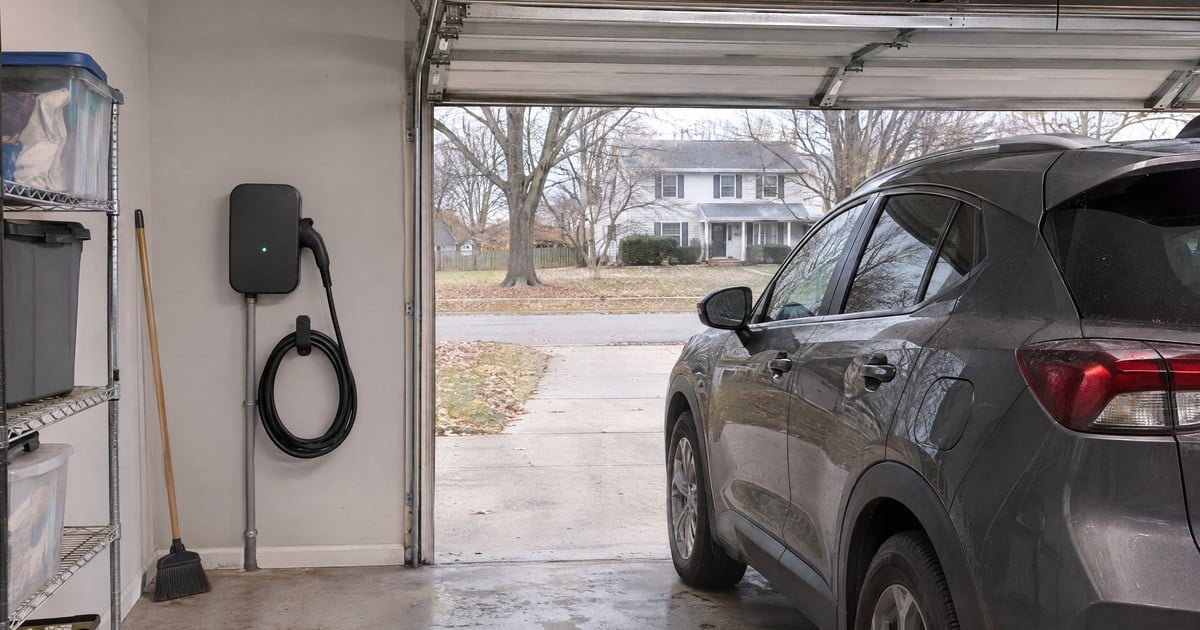
Installing an electric vehicle (EV) charger at home makes charging more convenient and can reduce reliance on public charging stations. However, before installing a Level 2 charger, homeowners should determine whether their existing electrical panel can handle the additional power demand.
Dylco Electric provides professional EV charger installation services to help homeowners choose a safe and suitable charging solution for their electrical system.
Some homes already have sufficient electrical capacity for an EV charger. Others may need electrical modifications or a panel upgrade to support the new equipment safely. The answer depends on the panel's capacity, existing electrical loads, available breaker spaces, and the charger's power requirements.
1. Why Does an EV Charger Put Additional Demand on Your Electrical Panel?
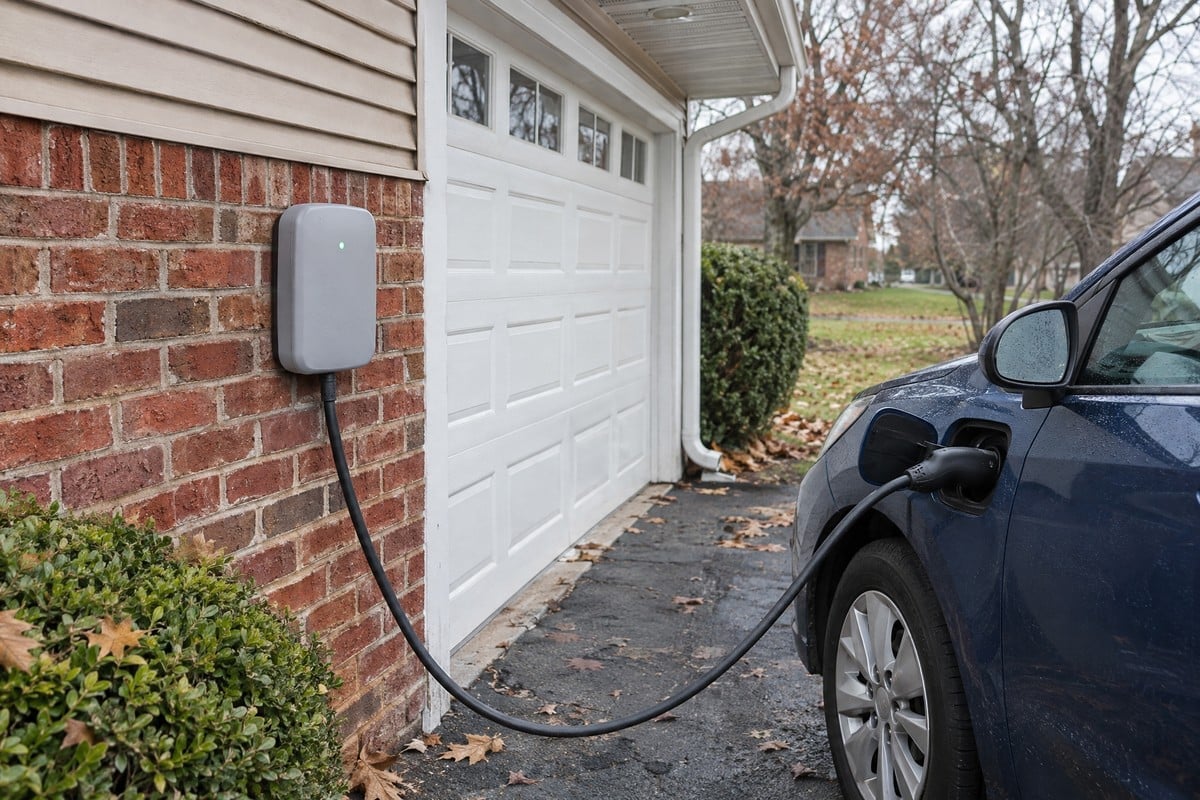
Your electrical panel distributes electricity throughout your home. It receives power from the utility supply and sends it through individual circuits to appliances, lighting, outlets, heating systems, and other equipment.
An EV charger adds another electrical load to this system. Unlike many household appliances that operate intermittently, a Level 2 charger may draw substantial power continuously for several hours while charging a vehicle.
For example, a common Level 2 home charger may operate at 240 volts and draw 32 or 40 amps, depending on its configuration. Higher-powered models may require larger circuits.
The panel must have enough capacity to support the charger's demand while continuing to supply electricity to the rest of the home.
2. Signs Your Home May Need an Electrical Panel Upgrade
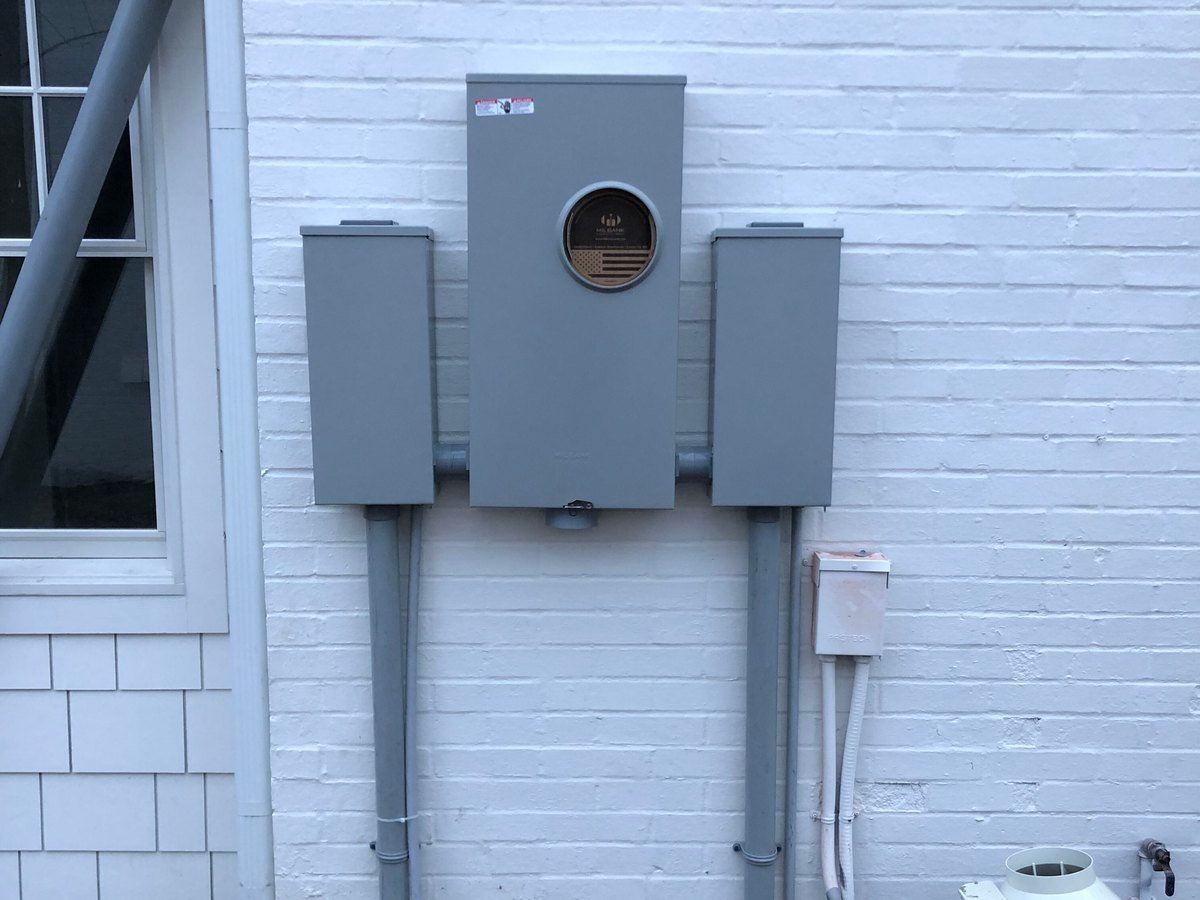
Not every electrical panel can support a new EV charging circuit. Certain conditions indicate that an upgrade or other electrical modifications may be necessary.
Your Panel Has Limited Electrical Capacity
Older homes may have electrical panels with lower service ratings than those commonly installed in newer properties. A panel with limited capacity may not have enough available electrical load to support a Level 2 charger alongside existing appliances.
For example, a home with electric heating, central air conditioning, an electric water heater, and an electric range may already have substantial electrical demand.
An electrician can perform a load calculation to determine whether the existing service can safely accommodate the additional charger.
Your Panel Has No Available Breaker Spaces
A Level 2 charger generally requires a dedicated circuit with an appropriately sized breaker.
If your panel has no available breaker spaces, installing the charger may require a different solution. Depending on the panel and electrical system, an electrician might recommend a panel replacement, an approved subpanel, or another code-compliant arrangement.
Simply adding a breaker without checking panel compatibility and capacity is not a safe solution.
Your Breakers Trip Frequently
Frequent breaker trips may indicate overloaded circuits, faulty wiring, defective equipment, or another electrical problem.
If breakers already trip when multiple household appliances operate, adding an EV charger without investigating the cause could make the situation worse.
The existing electrical issue should be diagnosed before installing additional equipment.
3. Can I Install an EV Charger Without Upgrading My Panel?
Yes. Many homes can support a Level 2 charger without requiring a complete panel replacement.
The deciding factor is whether the existing electrical service and panel can safely handle the charger's electrical demand.
An electrician will generally review the following:
- Panel rating: The electrical service and panel must be suitable for the additional load.
- Existing demand: Major appliances and other electrical equipment affect available capacity.
- Breaker availability: The panel needs an appropriate space and compatible breaker arrangement.
- Charger specifications: The charger's voltage, amperage, and circuit requirements must be considered.
- Wiring condition: The wiring and connections must be suitable for the installation.
- Local electrical requirements: The installation must comply with applicable electrical codes and permitting requirements.
If the panel has sufficient capacity, the electrician may be able to install a dedicated circuit without upgrading the entire system.
In some situations, a lower-amperage charger or an adjustable charging setting may also help accommodate the available electrical capacity. However, any adjustment must follow the charger's specifications and electrical requirements.
4. What Is an Electrical Load Calculation?
An electrical load calculation estimates how much electricity a home may need under expected operating conditions. It helps determine whether the existing electrical service can support additional equipment. During an assessment, an electrician considers the home's electrical characteristics and major appliances.
These may include:
- Central air conditioning and heating systems.
- Electric ranges and ovens.
- Water heaters.
- Clothes dryers.
- Refrigerators and freezers.
- Other permanently connected electrical equipment.
- The proposed EV charger.
The calculation considers applicable electrical code requirements and demand factors rather than simply adding every appliance's maximum wattage together.
5. What Are Your Options If Your Panel Cannot Support an EV Charger?
If an electrical assessment shows that your current panel cannot safely accommodate a charger, several options may be available.
Upgrade the Electrical Panel
A panel upgrade replaces the existing panel with equipment that can support the home's electrical requirements.
Depending on the property's condition, the work may involve replacing breakers, modifying wiring, updating grounding and bonding arrangements, and coordinating changes to the electrical service.
An upgrade may be appropriate when the existing panel is outdated, damaged, or insufficient for both current and planned electrical loads.
If you're unsure whether your home's electrical system needs an upgrade, read our guide on when you need an electrical panel upgrade to understand the signs and considerations.
Install a Subpanel
A subpanel provides additional breaker spaces and can help organize electrical circuits.
However, installing a subpanel does not automatically increase the electrical capacity supplied to the property. The main service and panel must still have sufficient capacity for the additional load.
An electrician can determine whether a subpanel is a suitable option for the specific installation.
Use an EV Charger With Adjustable Output
Some EV chargers allow the charging current to be configured according to the electrical system's available capacity.
A lower charging rate can reduce the charger's demand, potentially making installation possible without a complete panel upgrade.
The charger must be configured according to manufacturer instructions and applicable electrical requirements.
6. How Much Does an EV Charger Panel Upgrade Cost?
The cost depends on the type of electrical work required, the existing panel condition, and the complexity of the installation.
A straightforward charger installation may require only a dedicated circuit and appropriate wiring. A more involved project may require panel replacement, service modifications, or additional electrical work.
Common cost factors include:
- Panel replacement: The panel's size, type, and installation complexity affect the price.
- Wiring distance: Longer distances between the panel and charger may require additional materials and labor.
- Electrical service changes: Some homes may need utility coordination or service modifications.
- Charger equipment: Charger model, output, and features influence equipment costs.
- Permits and inspections: Local requirements may add to the project cost.
- Site conditions: Finished walls, detached garages, and difficult wiring routes can increase installation complexity.
The best way to estimate the cost is to request an on-site assessment and a detailed proposal. The estimate should distinguish between charger equipment, electrical work, panel modifications, permits, and other project expenses.
7. Should I Upgrade My Panel for Future Electrical Needs?
Even if your current panel can support an EV charger, it may be worth considering your future electrical plans.
Many homeowners are adding new electrical equipment as they improve their properties. Planning these projects together can help avoid repeated electrical modifications.
For example, you may eventually want to install home surge protection to help protect connected equipment from certain voltage surges. You may also be considering a smart electrical panel for home energy monitoring and improved load management.
Other future projects could include additional HVAC equipment, electric appliances, or a standby generator. If you're considering backup power for your home, explore Dylco Electric's Generac generator installation services and read our whole-home generator guide to learn more.
8. Why Professional EV Charger Installation Matters
An EV charger is a high-demand electrical appliance that must be connected correctly. Improper wiring, unsuitable breakers, inadequate grounding, or overloaded circuits can create serious safety risks.
Professional installation helps ensure that the charger and electrical system are compatible. Dylco Electric can assess your electrical panel and recommend a suitable charging solution.
An experienced electrician can:
- Assess the electrical panel and service capacity.
- Perform the required load calculation.
- Recommend a compatible charger and circuit.
- Determine whether panel modifications are necessary.
- Install appropriate wiring and overcurrent protection.
- Verify grounding and electrical connections.
- Complete required permits and inspections.
If the property also needs home electrical repair, addressing those issues before adding a charging circuit can help improve overall electrical safety.
Conclusion
Whether you need a panel upgrade for an EV charger depends on your home's electrical capacity, existing appliance demand, panel condition, and the charger's requirements.
Some homes can support a Level 2 charger with a dedicated circuit and no major panel changes. Others may need a panel upgrade, subpanel, or compatible energy management equipment to accommodate the additional load safely.
The most reliable way to make the decision is through a professional electrical assessment. A qualified electrician can calculate your home's demand, evaluate available capacity, and recommend an installation approach that meets your current and future needs.
Frequently Asked Questions
Do I need a panel upgrade for an EV charger?
Not always. Whether you need a panel upgrade depends on your home's electrical capacity, existing appliance demand, panel condition, and the charger's requirements. Many homes can support a Level 2 charger with a dedicated circuit and no major panel changes.
Why does an EV charger put additional demand on my panel?
An EV charger adds another electrical load to your home's system. Unlike many household appliances that operate intermittently, a Level 2 charger may draw substantial power continuously for several hours while charging a vehicle.
What amperage does a Level 2 EV charger need?
A common Level 2 home charger may operate at 240 volts and draw 32 or 40 amps, depending on its configuration. Higher-powered models may require larger circuits and more panel capacity.
What is an electrical load calculation?
An electrical load calculation estimates how much electricity a home may need under expected operating conditions. It considers major appliances, the proposed charger, and applicable electrical code requirements rather than simply adding every appliance's maximum wattage.
What appliances affect available panel capacity?
Central air conditioning, heating systems, electric ranges, water heaters, clothes dryers, refrigerators, freezers, and other permanently connected equipment all affect available capacity. The proposed EV charger also adds to the total demand.
What are signs my panel may need an upgrade?
Signs include limited electrical capacity, no available breaker spaces, frequent breaker trips, outdated equipment, or an existing electrical system that cannot safely handle the additional charger load. A professional assessment can confirm what is needed.
Can I install an EV charger without upgrading my panel?
Yes. Many homes can support a Level 2 charger without requiring a complete panel replacement. The deciding factor is whether the existing electrical service and panel can safely handle the charger's electrical demand.
What is a subpanel?
A subpanel provides additional breaker spaces and can help organize electrical circuits. However, installing a subpanel does not automatically increase the electrical capacity supplied to the property. The main service and panel must still have sufficient capacity.
Can I use a lower-amperage EV charger?
Yes. Some EV chargers allow the charging current to be configured according to the electrical system's available capacity. A lower charging rate can reduce the charger's demand, potentially making installation possible without a complete panel upgrade.
How much does an EV charger panel upgrade cost?
The cost depends on the type of electrical work required, the existing panel condition, and the complexity of the installation. A straightforward charger installation may require only a dedicated circuit, while a more involved project may need panel replacement or service modifications.
What factors affect EV charger installation cost?
Cost factors include panel replacement, wiring distance, electrical service changes, charger equipment, permits, inspections, and site conditions. Finished walls, detached garages, and difficult wiring routes can increase installation complexity.
Do I need a permit to install an EV charger in Westfield?
Permit requirements depend on applicable local codes and regulations. Dylco Electric pulls the necessary permits wherever they are required and coordinates the required inspections for EV charger installations.
How long does EV charger installation take?
Most standard EV charger installations take approximately 4 to 6 hours and are usually completed in under a day, depending on the home's electrical setup and installation requirements.